
Luxury Business Cards: Craft, Restraint, and the Details People Notice
A luxury business card is not defined by louder graphics. It is defined by discipline and craft—quiet decisions that become obvious the moment the card is held. For many professionals in Ireland, especially in high-trust work, a business card is still one of the few brand touchpoints that is purely physical. That is precisely why it matters.
Start with the material, not the effect
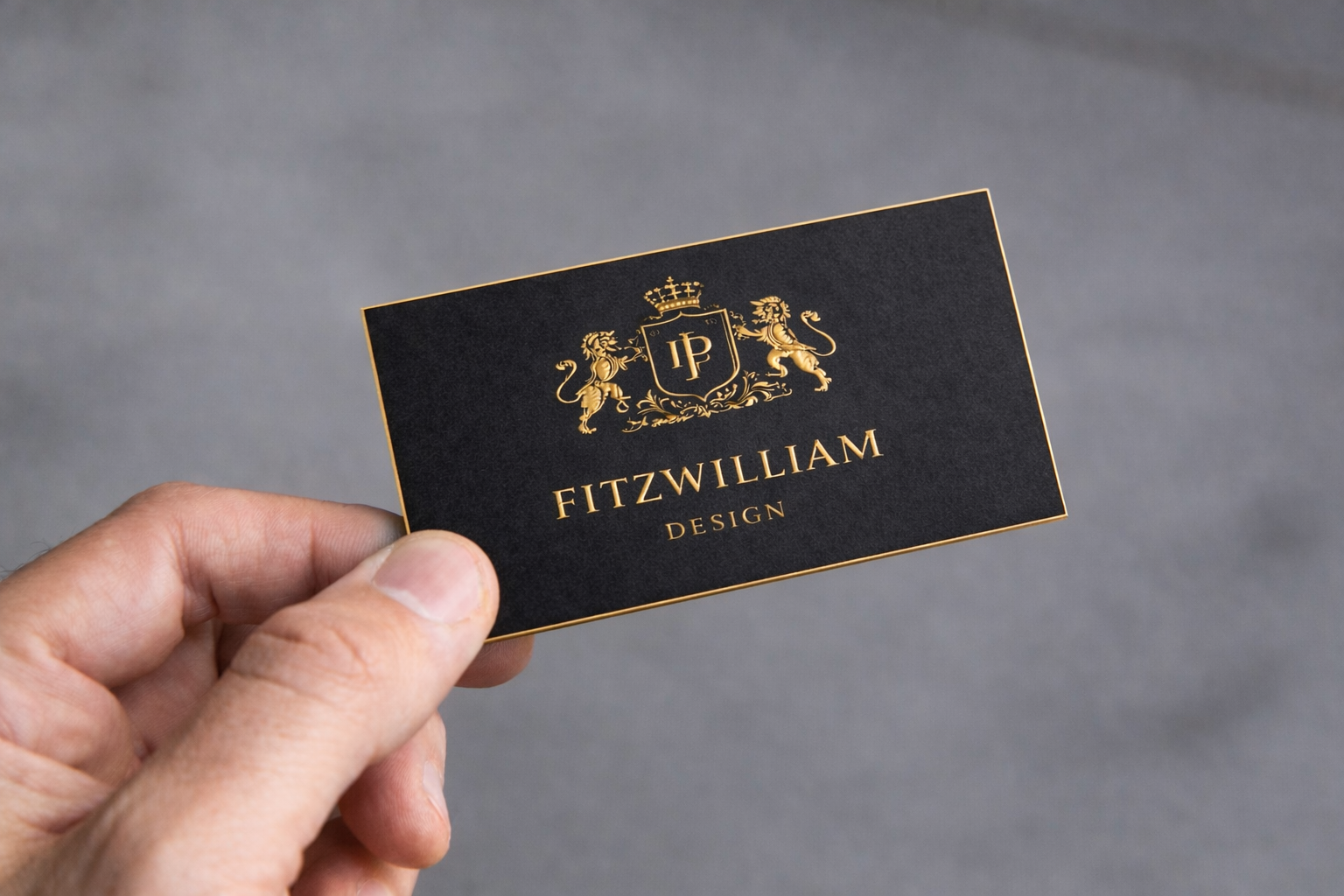
True premium quality begins with the base: density, stiffness, and surface. A high-end card should feel composed—stable in the hand, not flimsy or glossy. Matte stocks reduce glare under office lighting, photograph well for digital sharing, and allow finishing to read as intentional rather than attention-seeking. When the material is right, minimal design becomes a strength rather than a limitation.
Foil stamping should look crisp, not decorative
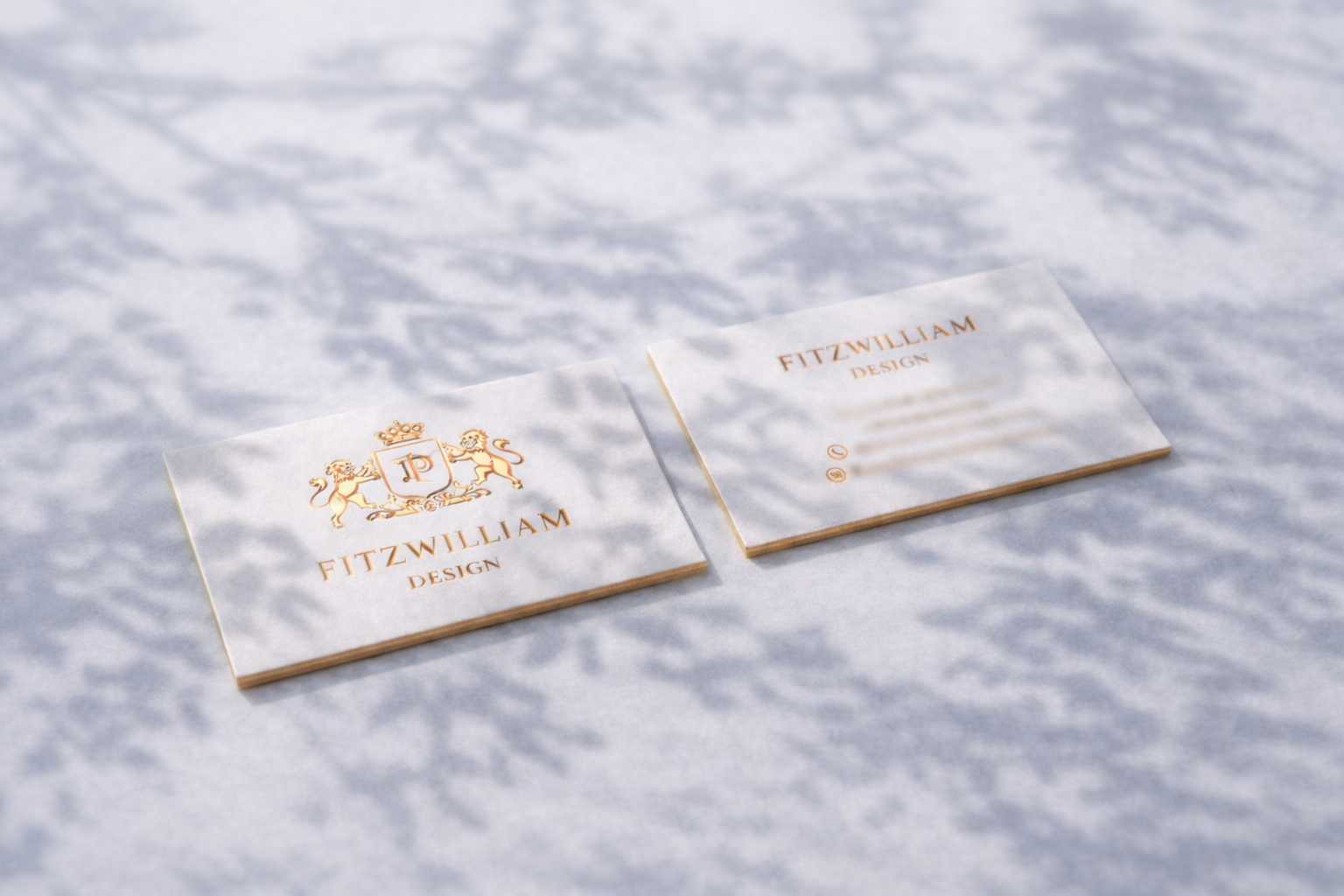
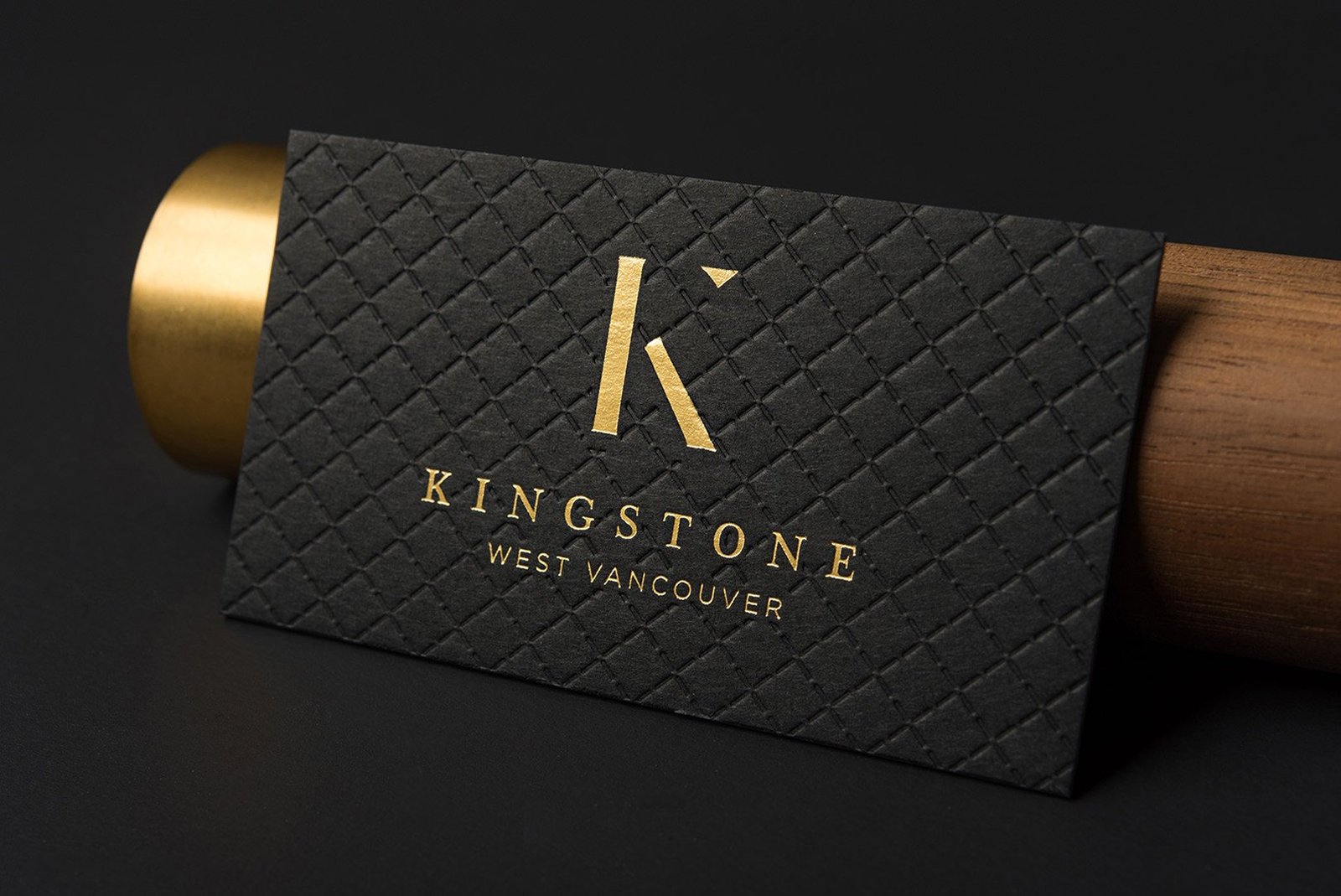
Foil stamping is often associated with luxury, but only precision makes it convincing. Premium foil work is clean and consistent: sharp edges, even coverage, and controlled reflection. It catches light without looking overly metallic or “plastic,” and it holds detail without blur. Used with restraint—logo, name, or one defining line—foil reads as confidence. Excess, by contrast, reads as uncertainty.
Embossing and debossing add texture—if kept subtle
Embossing and debossing are tactile rather than visual statements. A subtle raise or press changes the experience of the card and signals care in production. The best results are quiet: felt immediately, never aggressive enough to distort fine type. In high-end print, the goal is not novelty. The goal is coherence—everything aligned, everything readable, everything intentional.
Edge finishing is often the signature detail
Edge gilding or edge foiling is the detail people notice last—and remember longest. It frames the card, adds depth, and turns a simple layout into something object-like. When the foil tone is balanced (not too yellow, not too bright) and the edge is smooth, the finish feels refined rather than flashy. The best luxury is quiet: it invites a second look without asking for it.
Craft supports trust—without needing to explain itself
For professions where trust is the product—solicitors, consultants, executives, premium service brands—craft functions as a form of reassurance. The card does not need to persuade. It only needs to confirm: this person pays attention to detail, and their standards are consistent. In the end, luxury is not volume. It is clarity, restraint, and quality that holds up under close inspection.