
Business cards are often called “old-fashioned,” yet professional life is still built on introductions. In Ireland — whether at a conference in Dublin, a client meeting, or a site visit—relationships still begin with small, human moments. A business card works because it respects those moments: it is concise, social, and quietly practical.
A card creates a clean next step
After a short conversation, people want an easy way to continue without friction. A card offers a clear next step that feels natural. It avoids the awkwardness of phones—unlocking screens, spelling names, searching, saving. Instead, it leaves a simple handle: a name, a role, and a direct path to follow up.
Physical reminders beat digital lists
Digital contacts are convenient, but they disappear into long lists. A card can remain visible — on a desk, in a notebook, inside a wallet — until the right moment arrives. Timing matters in business: referrals, hiring decisions, and introductions often happen days or weeks later. A physical reminder quietly increases the chance that your name returns at the right time.
Etiquette is not tradition — it is efficiency
Modern etiquette is less about formality and more about reducing friction. A card makes exchanges quicker, clearer, and more respectful — especially in group settings where people are meeting many contacts. It also helps with accuracy: names, titles, and email addresses are captured correctly, which prevents small mistakes that can undermine professional follow-up.
In high-trust work, credibility is built from signals
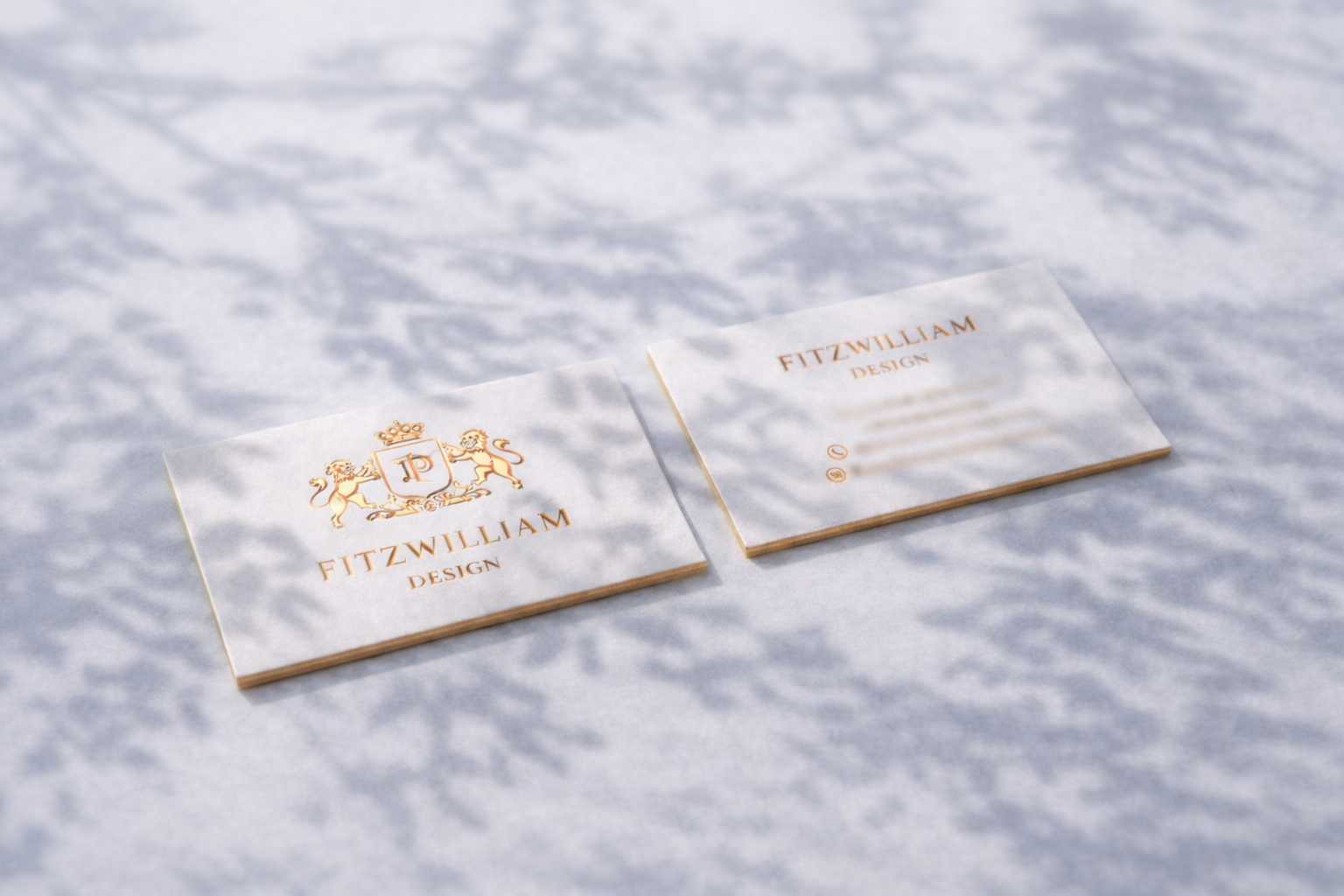
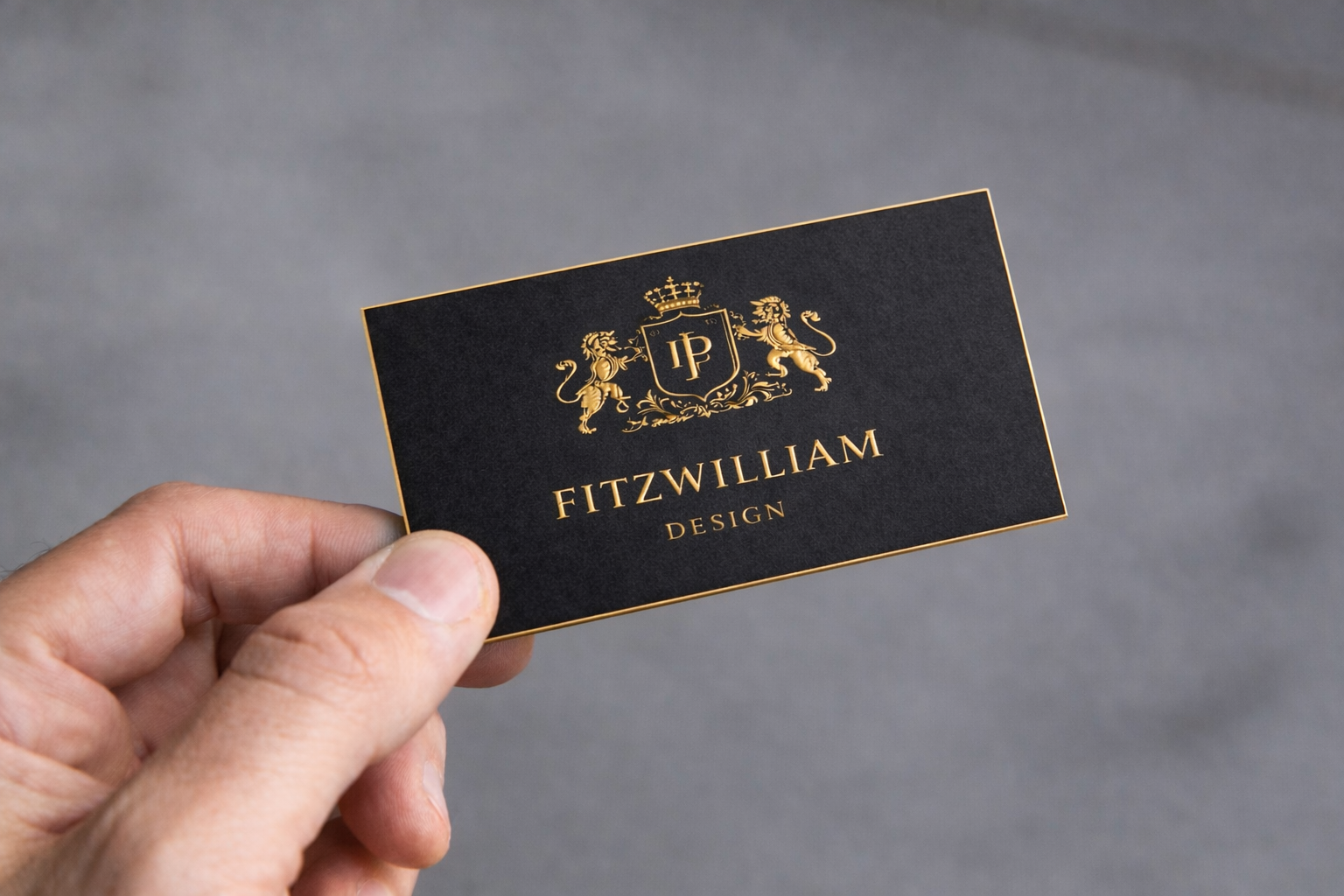
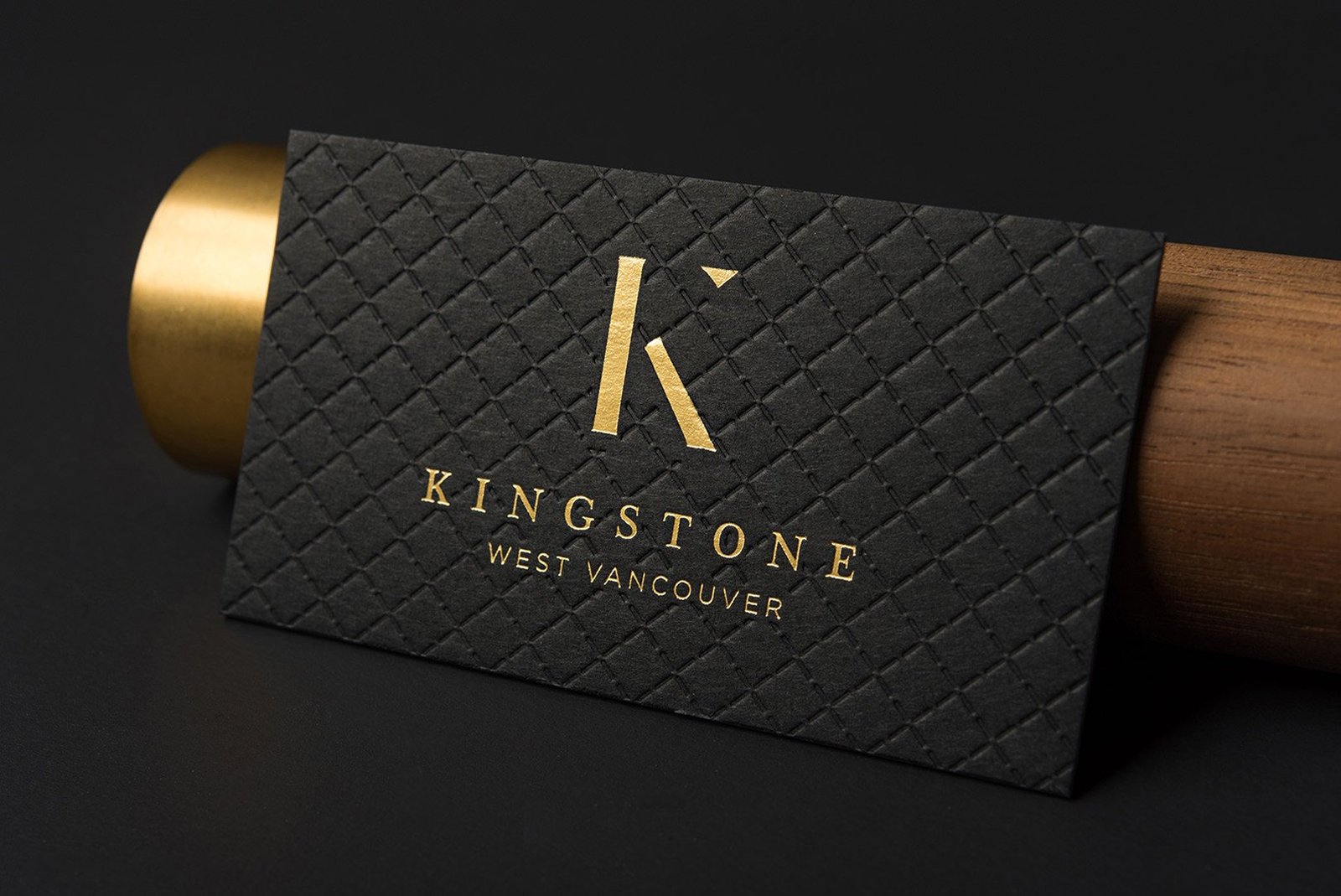
In industries where trust is central—legal, finance, consulting, property — people evaluate signals as much as outcomes. Calm presentation, clarity, and consistency reduce doubt. A premium card supports that impression without requiring explanation. It does not “sell.” It simply aligns what people see with the standard you claim to deliver.
The best cards are quiet and easy to use
The goal is simple: be easy to remember, easy to contact, and easy to take seriously. That usually means minimal copy, thoughtful spacing, and one clear method of contact. When a card is designed for real use, it becomes an extension of professional conduct — subtle, practical, and memorable.