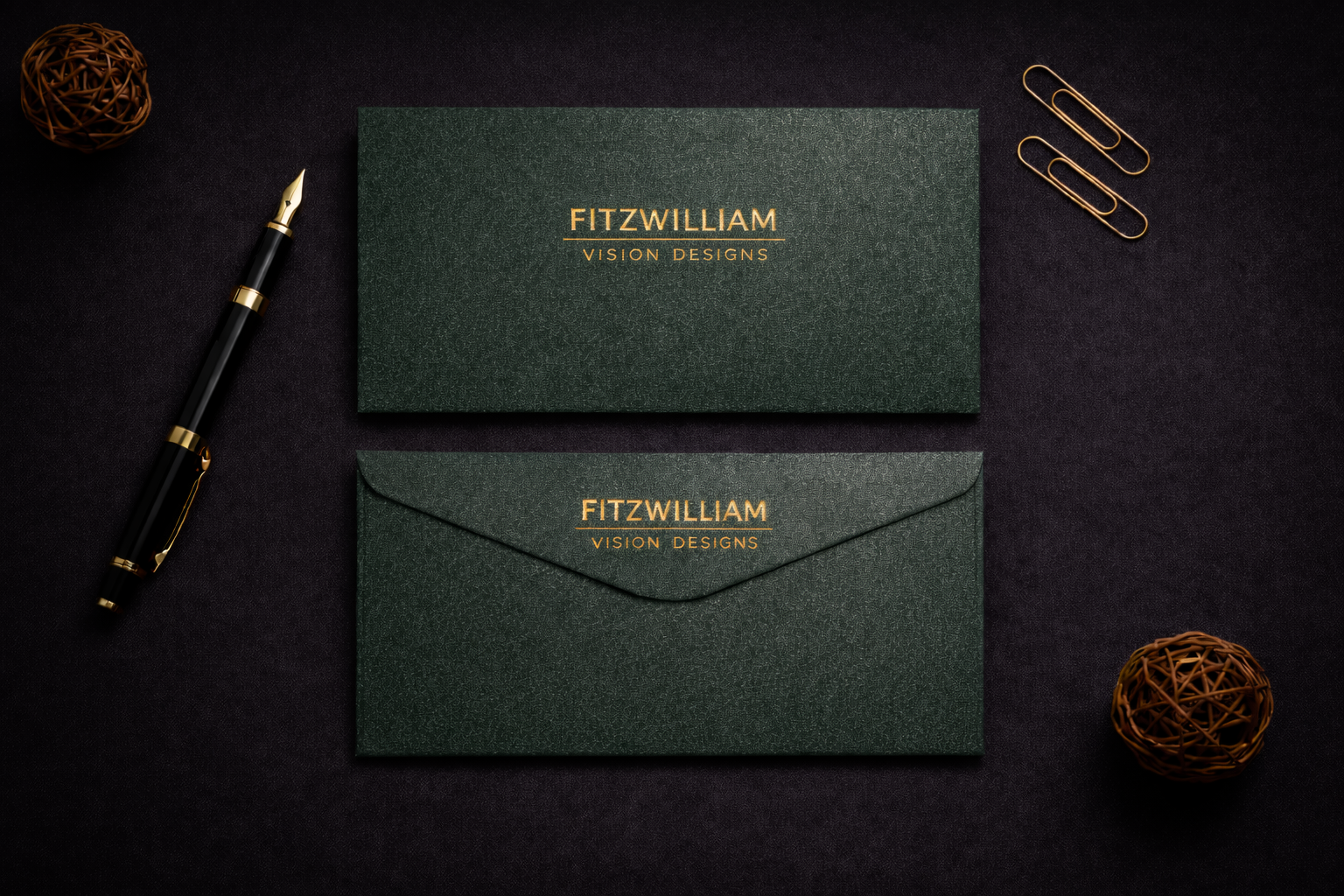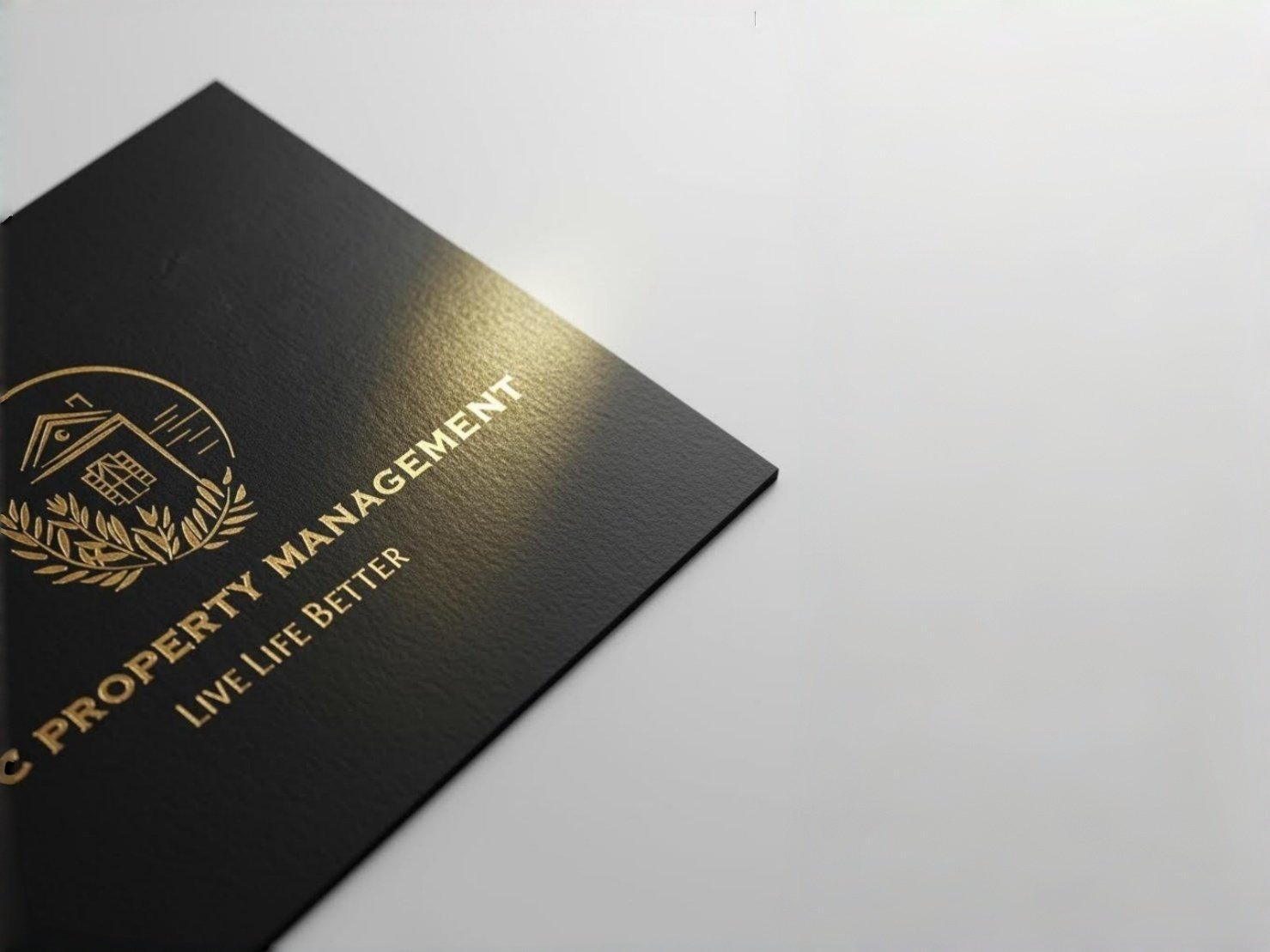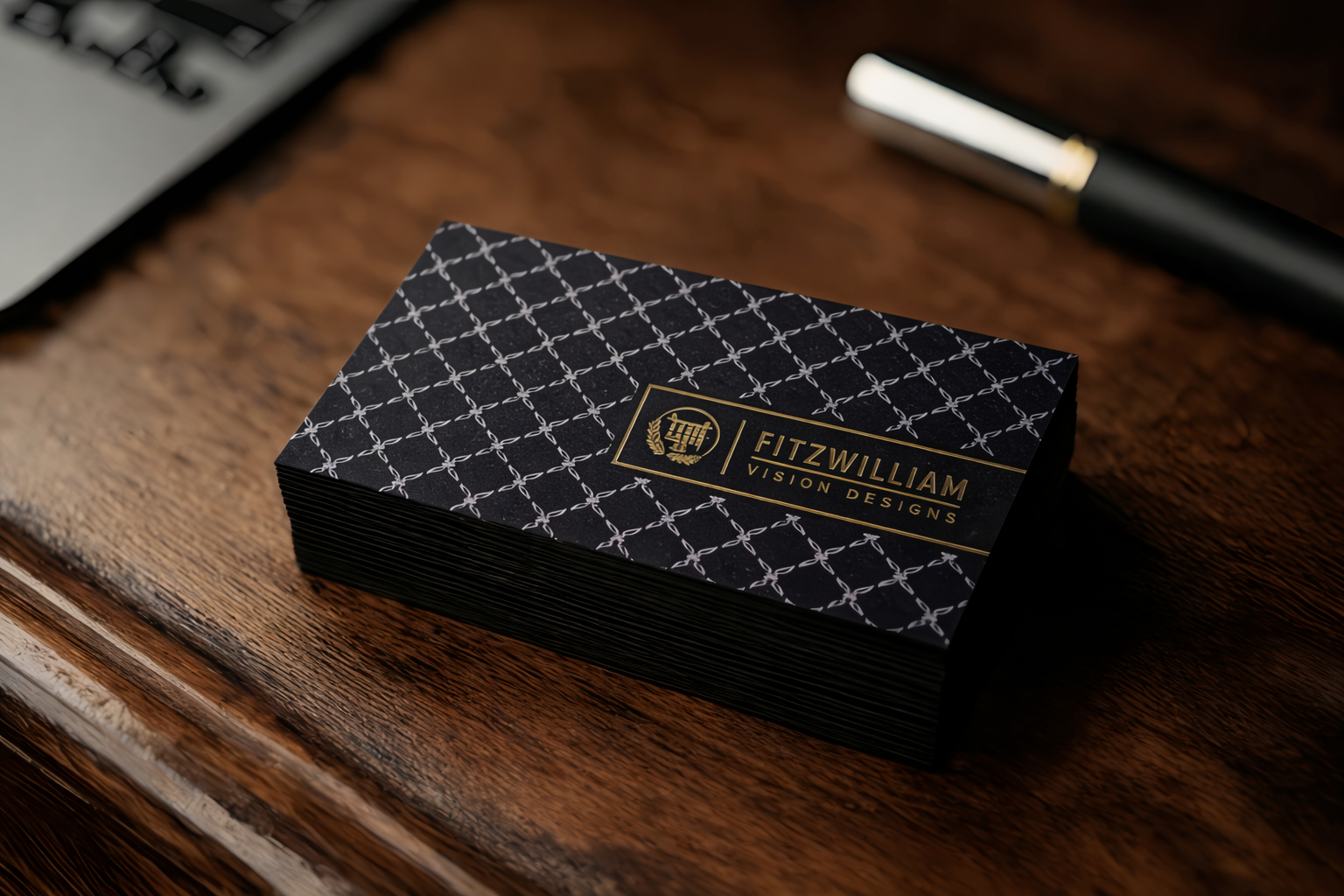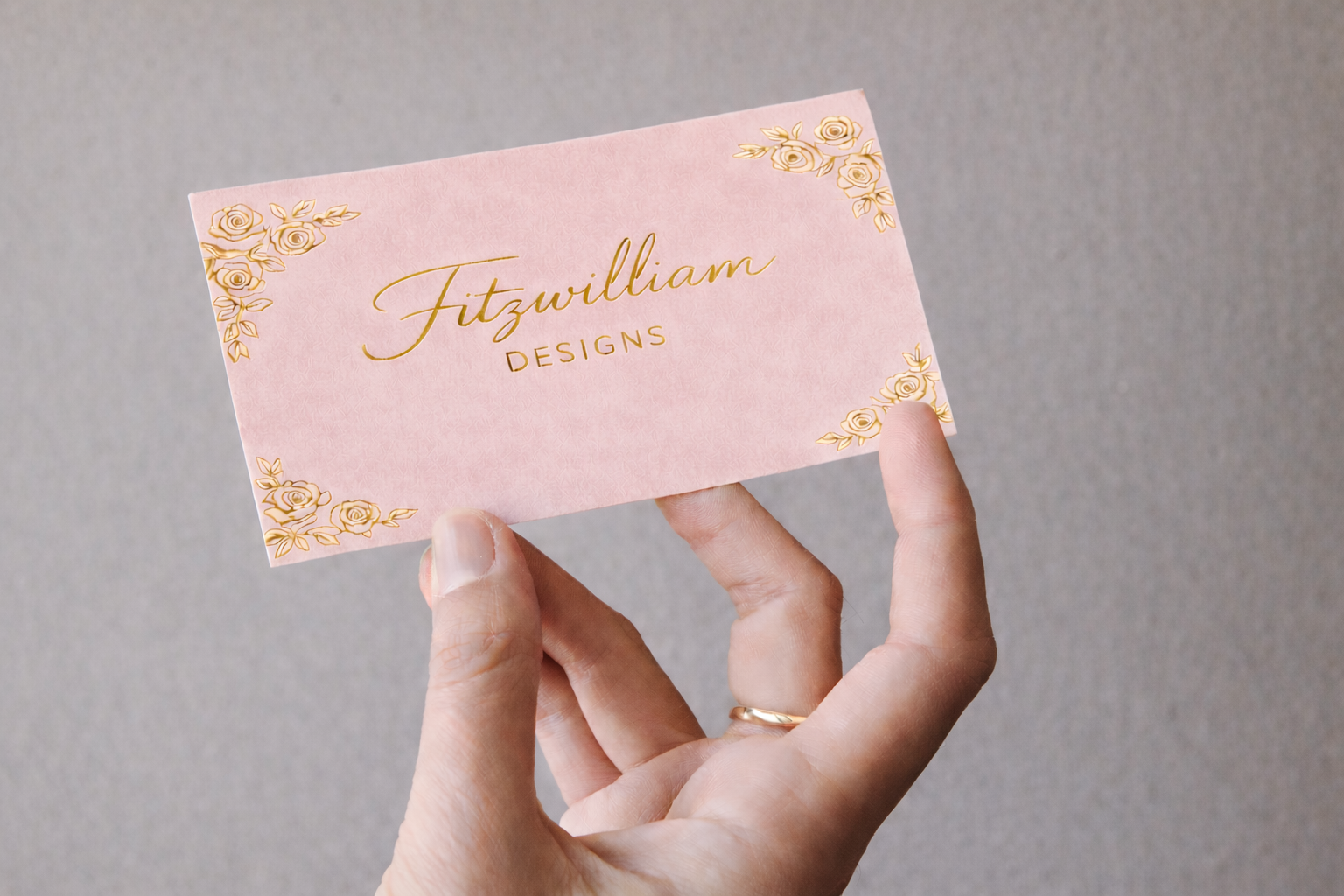

A business card is often one of the first physical expressions of a brand. Long before a conversation develops, it already communicates something about style, standards, and attention to detail. That is why the best luxury business cards are not simply decorative. They are designed to feel intentional, distinctive, and aligned with the identity behind them.
For businesses and professionals who want more than a standard template, personalized design makes a clear difference. From typography and layout to material selection and finishing details, every decision contributes to how a card is perceived. When these elements are handled well, the result is not only more attractive, but also more memorable and more effective in a professional setting.
Why Luxury Business Cards Matter
Well-designed luxury business cards do more than share contact information. They help shape first impressions and reinforce how a brand wishes to be seen. In many industries, presentation still matters. A card that feels refined and well considered can communicate professionalism, credibility, and confidence in a way that digital contact details alone cannot.
This is especially true for brands that work in design, consulting, hospitality, real estate, beauty, fashion, or other image-sensitive fields. In these contexts, the card itself becomes part of the brand experience. It should feel consistent with the level of service, taste, and quality a client can expect.
How Personalized Design Reflects Brand Identity
The strongest cards are rarely generic. They are created with a clear understanding of the brand they represent. Personalized design allows luxury business cards to reflect tone, positioning, and visual identity in a more precise way.
Typography plays a major role here. A serif typeface may suggest heritage, elegance, or authority, while a modern sans serif can feel clean, minimal, and contemporary. Layout matters just as much. The spacing of information, the use of white space, and the balance between text and logo all influence how the card feels.
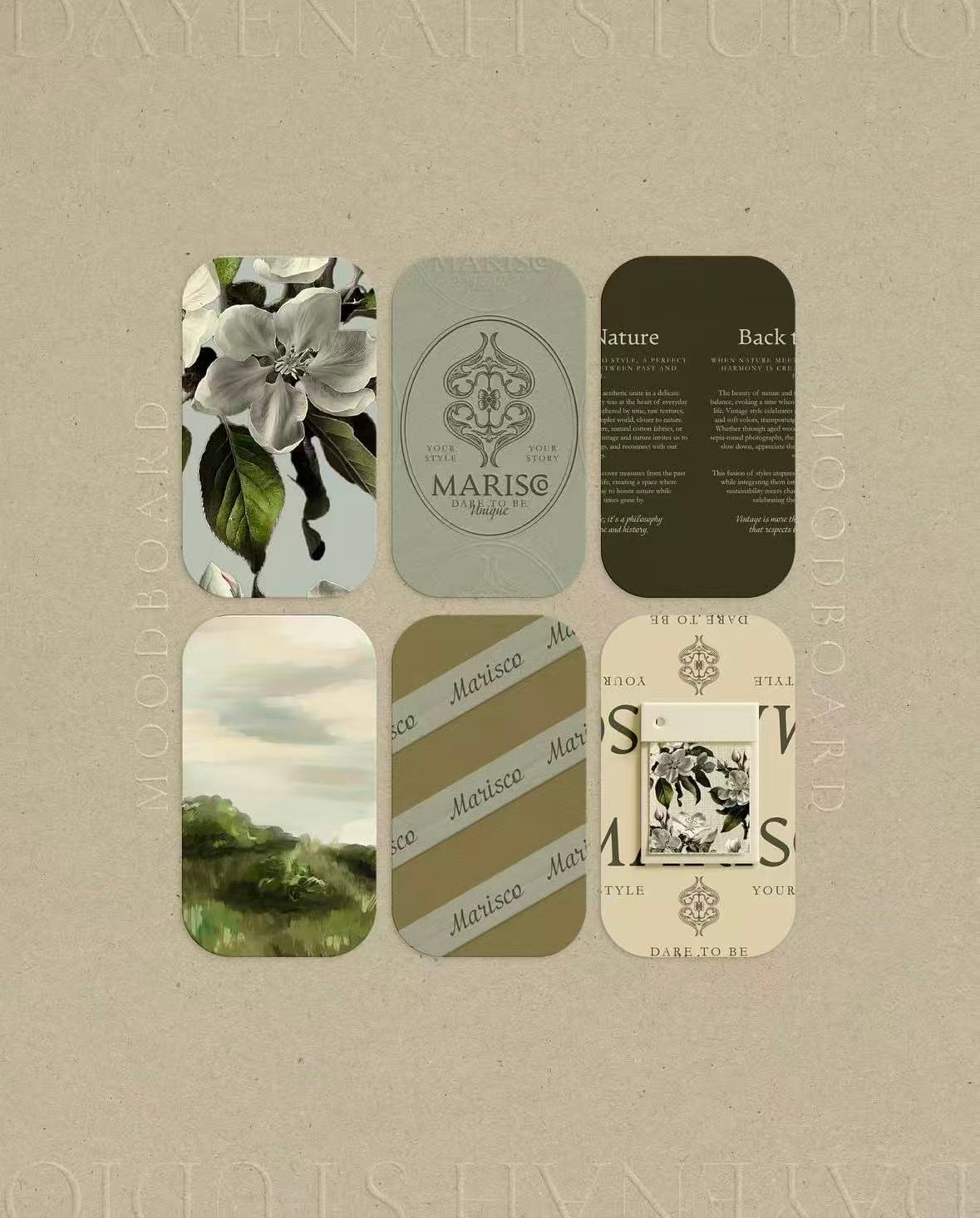
Color also shapes perception. Some brands benefit from quiet, neutral palettes, while others need stronger contrast or deeper tones. When color, type, and layout work together, the card begins to feel like a natural extension of the brand rather than a separate printed item.
Beyond Templates
There is nothing wrong with a simple card, but template-based designs often lack distinction. They may look acceptable, yet still feel interchangeable. The value of customization lies in creating something that feels specific to the business or individual using it.
This is where designer business cards stand apart from more standard options. Rather than relying on preset formats, they are shaped by the needs of the brand itself. Details such as logo placement, font hierarchy, material combinations, and finishing choices can all be adjusted to create a more distinctive result.
For many companies, this is also why corporate business cards should not be overlooked. Even in structured corporate settings, a card should do more than appear formal. It should communicate consistency, clarity, and brand confidence without losing personality.
Materials and Finishing Details
Design does not end with the layout. The physical finish of a card plays a major role in how it is experienced. This is especially important in high-end print, where the goal is not simply to be seen, but to be felt and remembered.
Well-executed professional business cards often rely on subtle but effective details. Premium paper stocks, carefully chosen colors, foil stamping, edge coloring, and other finishing touches can elevate a design without making it feel excessive. When used with restraint, these elements add depth, texture, and polish.
The key is balance. Not every card needs every special feature. Some brands benefit from a minimal design on beautiful stock, while others suit a more expressive finish. A premium result usually comes from selecting the right details, not the most details.
Designing for Different Brand Styles
No single design approach works for every brand. The best luxury business cards reflect the values and visual language of the business they represent.
A minimalist brand may prefer clean typography, generous spacing, and understated materials. A more classic or prestigious brand may lean toward rich tones, refined textures, or metallic finishes. Creative professionals may want something more distinctive and expressive, while corporate business cards often need to balance
The purpose of personalized design is to make these differences visible. Rather than applying the same style to everyone, it allows each brand to present itself in a way that feels accurate and deliberate.
Why Good Design Improves Professional Presence
A card may be small, but its effect can be lasting. Thoughtful design helps people remember not only your name, but also the impression your brand leaves behind. This is what separates ordinary print from strong brand communication.
The best professional business cards create clarity and confidence. They make information easy to read, support the visual identity of the business, and leave the person receiving the card with a stronger sense of quality. In that way, design is not just an aesthetic choice. It is part of how a brand introduces itself.
The most effective luxury business cards are not defined by decoration alone. What makes them stand out is the way personalized design, strong layout, premium materials, and refined finishing come together to reflect a clear brand identity.
Whether the goal is to create elegant designer business cards, polished corporate business cards, or memorable professional business cards, the principle remains the same: good design should feel intentional. When a card is thoughtfully created, it becomes more than a contact tool. It becomes part of the brand itself.