
Business cards for lawyers still matter because trust, authority, and professionalism remain central to legal services. Whether you are meeting a new client, attending a networking event, or representing your firm in a professional setting, the way you present yourself shapes the impression you leave behind. A well-made business card still plays an important role in building credibility from the first interaction.
For lawyers, a business card should do more than share contact details. The best business cards for lawyers reflect confidence, clarity, discretion, and reliability. The right paper stock, layout, and print finish can make a card feel more refined and more professional, especially in a field where reputation and trust carry significant weight.
In this guide, we look at what makes premium business cards work for lawyers, which design styles suit legal professionals best, and which print finishes help create a stronger and more polished brand image.
Why Business Cards Still Matter for Lawyers
Legal services are highly relationship-driven. Clients are not only choosing legal expertise. They are also looking for someone who appears trustworthy, composed, and professional.
Even in an increasingly digital working environment, printed business cards still have practical value. They remain useful in client meetings, conferences, referrals, networking events, and formal introductions. A professional card gives people something physical to keep after a conversation, helping your name and role remain visible.
A premium business card can also reinforce the impression that you are organised, established, and serious about your professional standards.
What Makes the Best Business Cards for Lawyers
The best business cards for lawyers usually balance professionalism, readability, and authority.
A strong card should feel clear rather than crowded, polished rather than decorative, and premium without appearing excessive. In legal services, a card should communicate confidence and trust first. The design should support that impression rather than distract from it.
For most lawyers, the strongest direction is a clean layout, refined typography, quality paper stock, and a carefully chosen premium finish.
Best Design Styles for Lawyers
A minimalist design is often the strongest choice for lawyers. White, off-white, or dark neutral tones can feel formal, trustworthy, and refined.
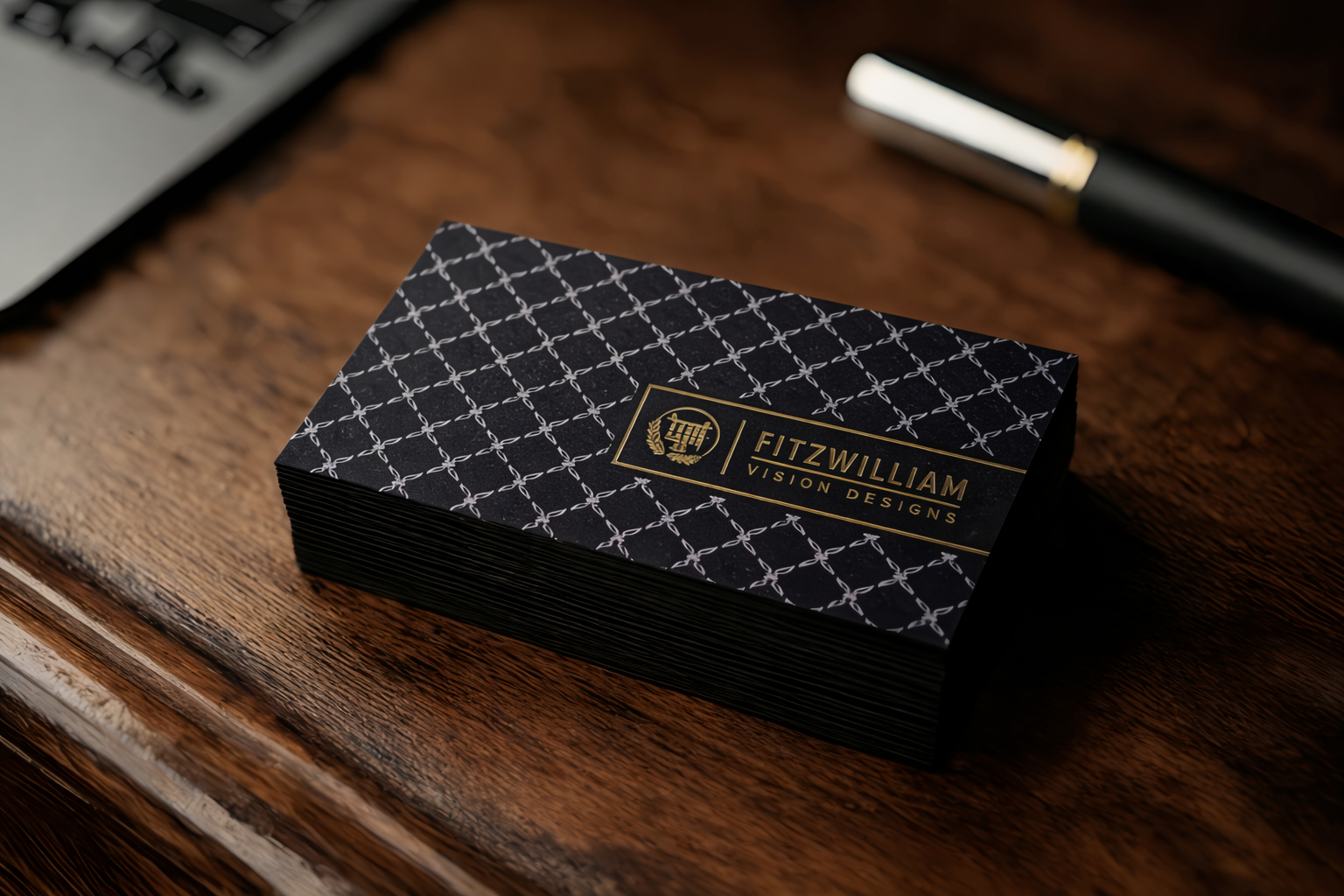
Black business cards can work particularly well for boutique law firms, senior legal professionals, or lawyers who want a more distinctive and premium presentation. When combined with subtle gold foil or embossing, they can look authoritative without feeling flashy.
White business cards remain a strong option for legal professionals who want a clean, classic, and highly professional appearance. In many cases, understated design creates a stronger impression than more decorative styling.
Best Printing Finishes for Premium Lawyer Business Cards
The finish of a card can strongly influence how it is perceived.
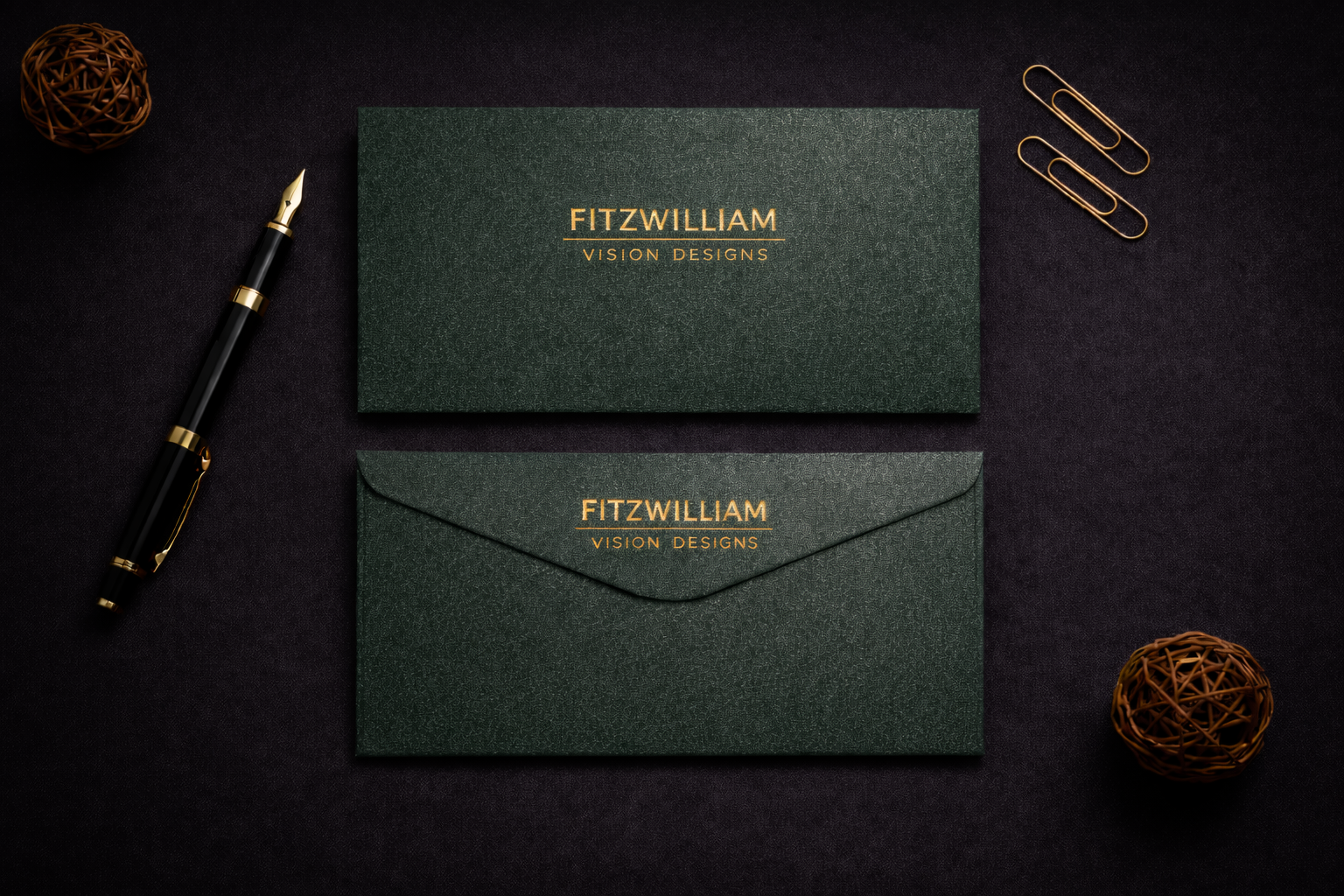
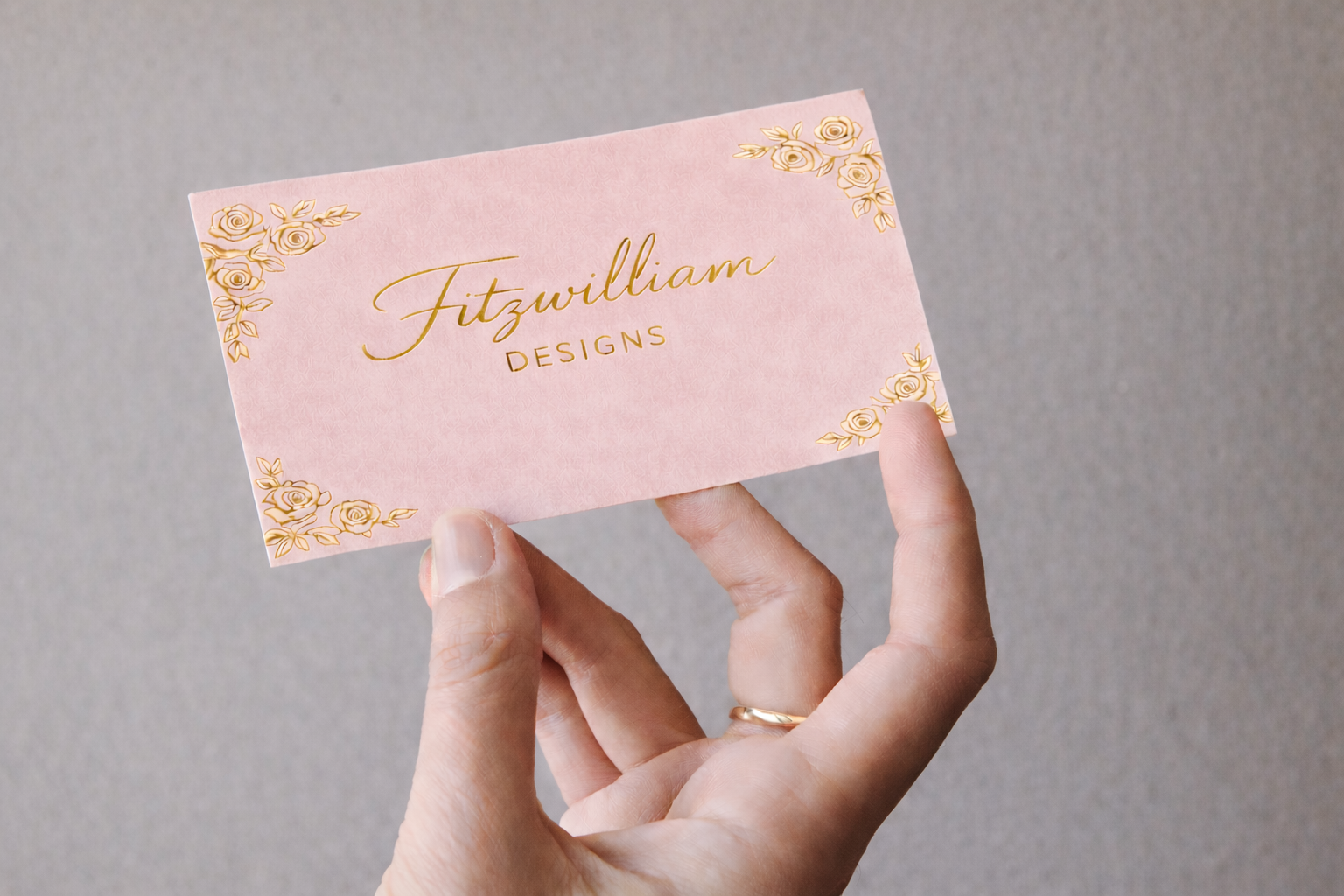
Foil stamping is a strong option for lawyers, especially when used for names, logos, or subtle accents. Gold foil can add polish and authority when applied with restraint.
Embossing is also highly effective. It creates a raised tactile detail that can make a logo or selected text feel more distinctive and considered.
Debossing offers a quieter premium effect. For legal professionals who want an understated result, it can feel elegant and sophisticated.
Thicker card stock helps communicate substance and quality from the first touch. In legal services, that physical sense of quality can support a stronger impression of professionalism.
Letterpress can also work beautifully for lawyers who want a more traditional, established, and refined presentation.
How Should Lawyers Choose the Right Color, Paper Stock, and Finish?
There is no single answer for every legal professional. The right choice depends on your brand positioning, your area of practice, and the type of impression you want to create.
White business cards are often the safest and most versatile option for lawyers. They feel classic, clear, and highly professional. They are well suited to law firms, independent solicitors, and legal consultants who want a clean and trustworthy presentation.
Black business cards can work well for boutique firms, senior legal professionals, or lawyers who want a more distinctive premium look. When paired with restrained typography and refined finishing, they can feel authoritative without becoming overly dramatic.
Paper stock also matters. Thicker cards usually feel more substantial and professional, while softer or more textured stocks can create a more considered and refined impression. The finish should support the overall tone of the card. In legal branding, clarity, trust, and restraint are usually more effective than anything that feels overly decorative.
What Information Should a Lawyer Include?
A lawyer’s business card should stay focused and professional.
Most cards should include full name, job title, firm name, phone number, email address, website, and office address if relevant. Practice area may also be included if it helps clarify your role.
A QR code can be useful if it links to a professional profile, contact page, or firm website. However, it should support the design rather than dominate it.
Common Mistakes to Avoid
Many lawyer business cards lose impact because they include too much information or rely on design choices that feel too decorative.
Common mistakes include overcrowded layouts, too many fonts, poor contrast, low-quality card stock, excessive gloss, and generic templates that do not reflect the seriousness of the brand.
A premium business card should not feel busy. In legal services, restraint often communicates confidence more effectively than visual excess.
How Premium Business Cards Support Professional Branding
For lawyers, branding is closely connected to trust, reputation, and consistency. Clients want to feel that the person representing them is serious, capable, and reliable.
A better business card supports that perception. It connects your name with a more polished and professional impression, and it can help distinguish your services in a competitive legal market.
That does not mean the card should appear luxurious in an obvious or theatrical way. It means the card should feel intentional, well made, and aligned with the level of legal service you want clients to associate with your name.
Premium business cards for lawyers are most effective when they communicate trust, authority, and professionalism. The strongest designs are usually simple: refined typography, quality paper stock, and one carefully judged premium finish.
For lawyers, that kind of restraint often leaves a stronger impression than a more decorative approach. A good card should not only look professional. It should also feel credible from the moment a client receives it.
FAQ
Do lawyers still need business cards?
Yes. Business cards remain useful for client meetings, referrals, legal conferences, and professional networking.
What is the best finish for a lawyer business card?
Foil stamping, embossing, debossing, thicker card stock, and letterpress are all strong options. The best choice depends on your brand style and how formal or modern you want the card to feel.
Should lawyers choose black business cards?
They can, especially for boutique firms or premium legal brands. However, the design should remain clean, restrained, and easy to read.
What should lawyers avoid on a business card?
Avoid cluttered layouts, too many fonts, low-quality stock, excessive gloss, and overly decorative finishes.
Are premium business cards worth it for lawyers?
Yes. In legal services, presentation, material quality, and finishing details can all help reinforce trust and professionalism.