
Business cards for accountants still matter because trust, clarity, and professionalism remain essential in financial services. Whether you are meeting clients for tax advice, bookkeeping support, audit work, or business consulting, the way you present yourself can shape how people remember you. A well-made business card still helps reinforce a strong and reliable first impression.
For accountants, a business card should do more than share contact details. The best business cards for accountants reflect accuracy, credibility, discretion, and confidence. The right paper stock, typography, and print finish can make a card feel more refined and more professional, especially in a field where clients are often looking for someone dependable and detail-oriented.
In this guide, we look at what makes premium business cards work for accountants, which design styles suit the profession best, and which print finishes help create a more polished and trustworthy brand image.
Why Business Cards Still Matter for Accountants
Accounting is a profession built on trust. Clients want to feel that their finances, records, and decisions are in careful hands. Even in a digital working environment, printed business cards still have practical value.
They remain useful in many situations, including client meetings, business networking events, referrals from legal or financial partners, conferences, and in-person consultations. A professional card gives people something physical to keep, helping your name remain visible after the meeting.
A premium business card can also support the impression that you are organised, established, and serious about the quality of your work.
What Makes a Best Business Card for an Accountant
The best business cards for accountants usually balance professionalism, readability, and restraint.
A strong card should feel clear rather than crowded, polished rather than decorative, and premium without appearing showy. In accounting, a card should communicate reliability first. Design should support that impression, not distract from it.
For most accountants, the strongest approach is a clean layout, strong typography, quality paper stock, and a refined finish used with restraint.
Best Design Styles for Accountants
A minimalist design is often the safest and strongest choice. White, off-white, or soft neutral tones can feel clean, trustworthy, and professional.
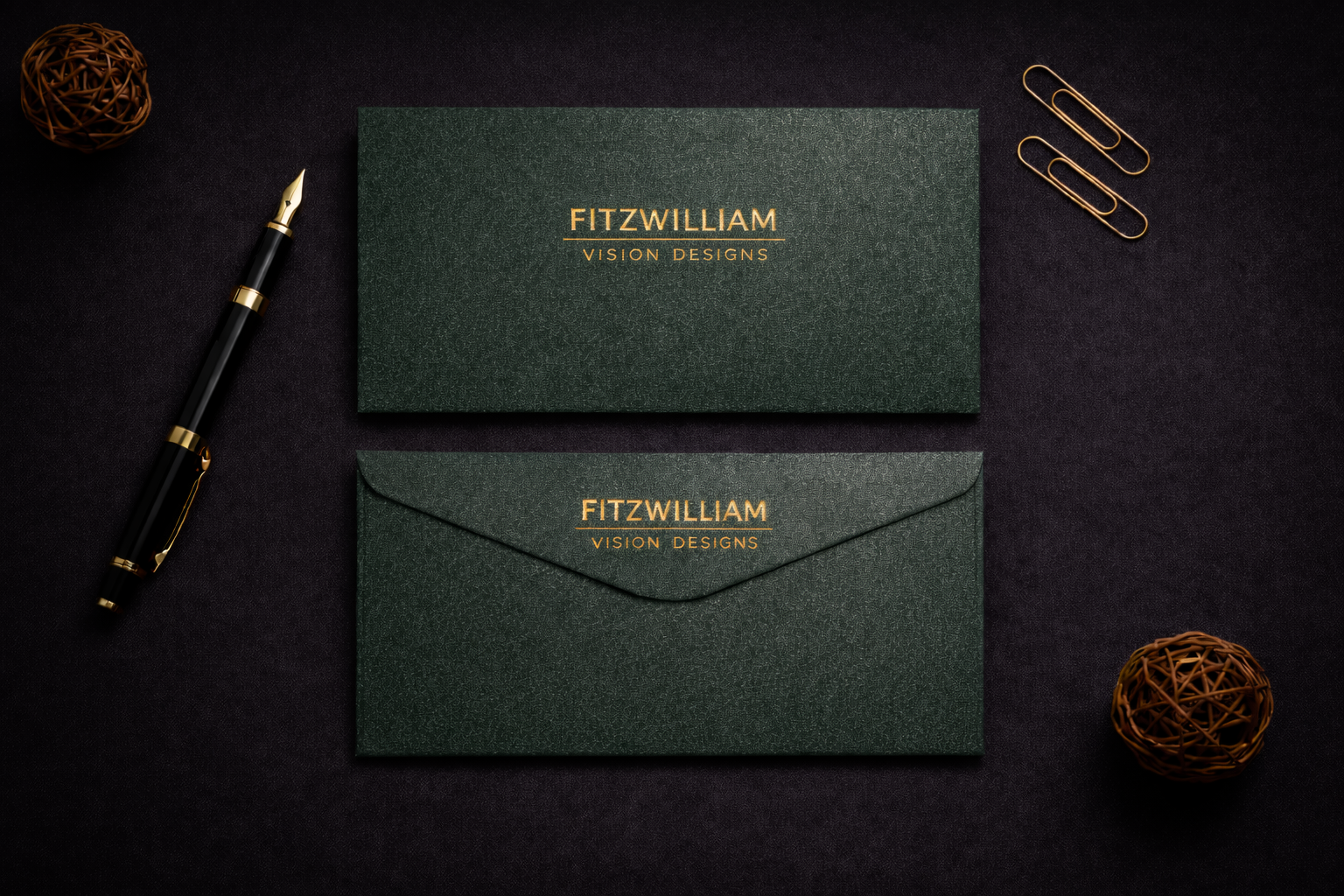
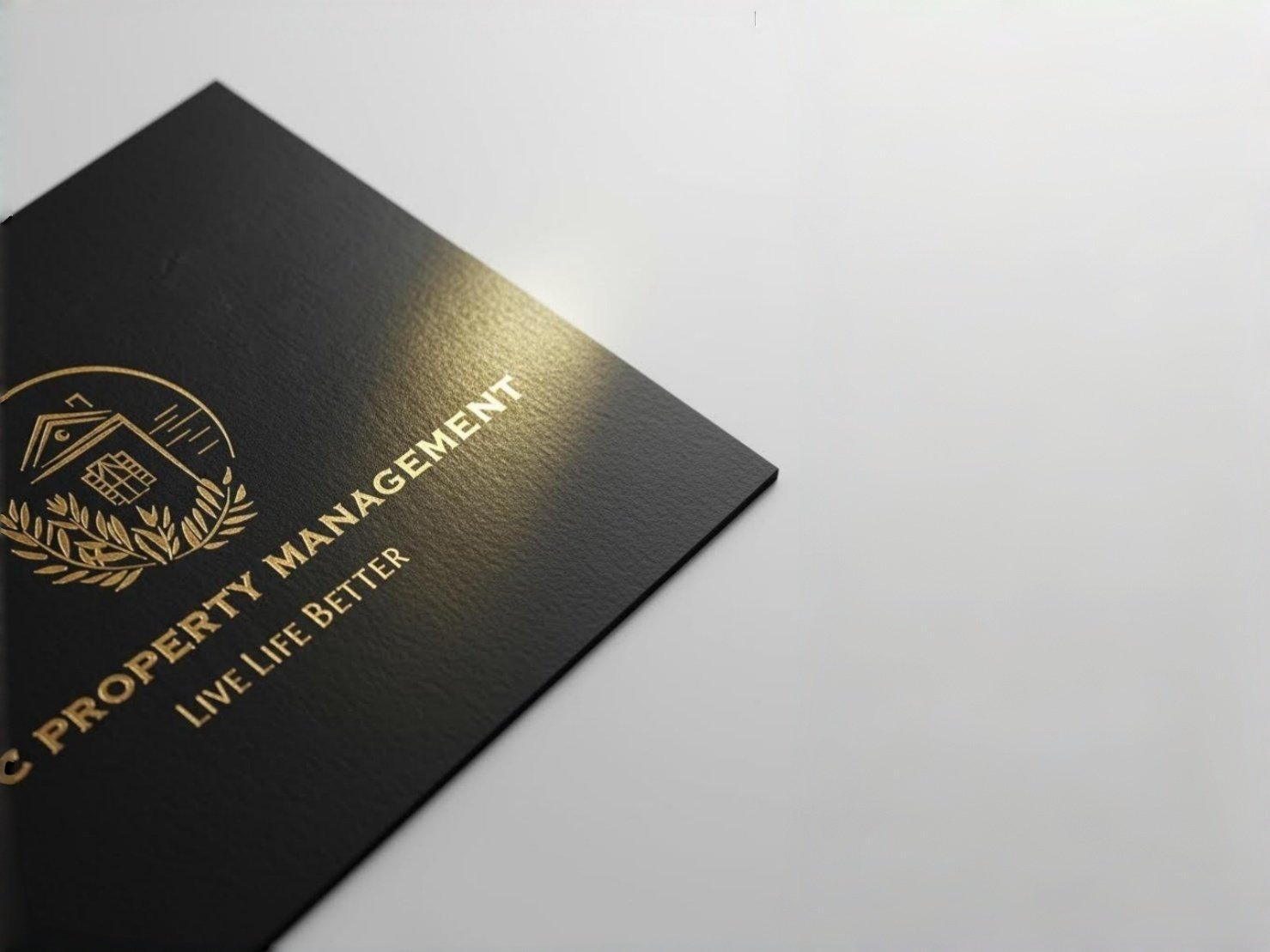
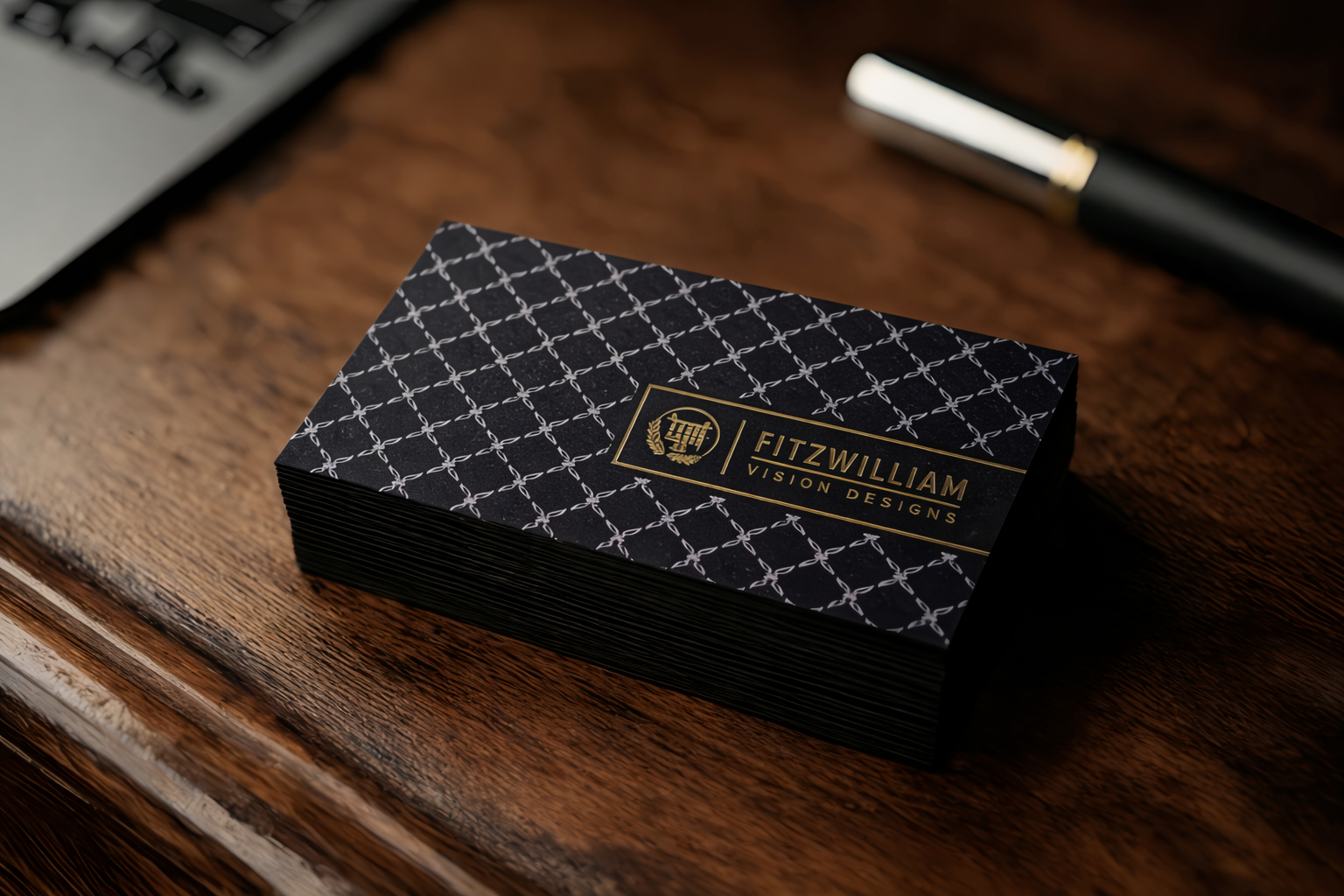
Dark business cards can also work, particularly for senior accountants, boutique firms, or finance professionals serving premium clients. When handled carefully, a dark card with subtle foil or blind debossing can look sophisticated without appearing excessive.
Modern business card designs can suit accountants as well, but the design should still prioritise clarity. Good spacing, balanced alignment, and simple typography often create a stronger impression than complex visual elements.
Best Printing Finishes for Premium Accountant Business Cards
The choice of finish can make a significant difference to how a card feels.
Letterpress is an excellent option for accountants who want a refined and understated result. It gives the card a tactile impression that feels thoughtful and established.
Debossing is another strong choice. It creates a subtle pressed effect that can make logos, names, or small brand details feel more sophisticated.
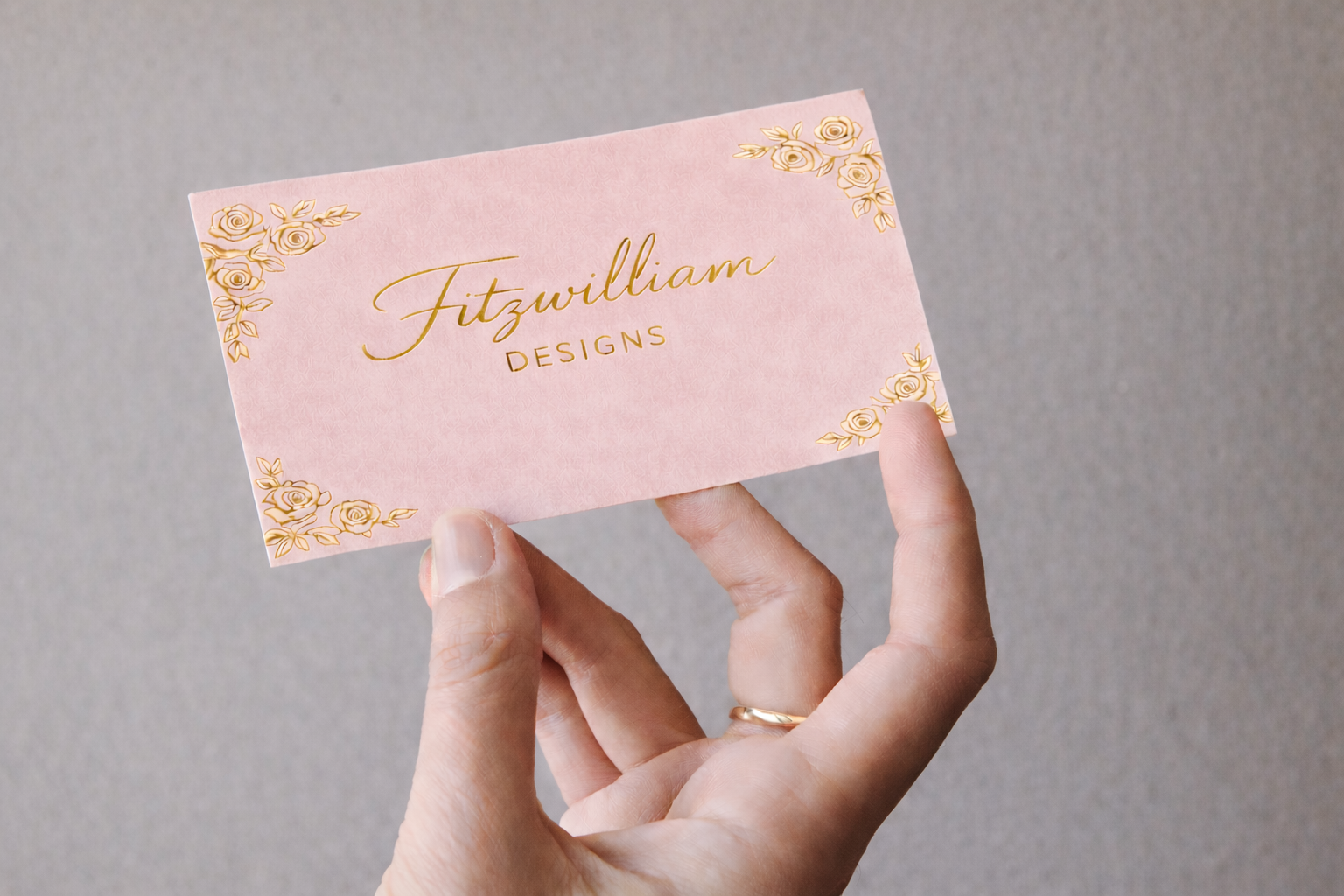
Foil stamping can work well too, especially when used sparingly. A restrained gold or metallic detail can add polish without making the design feel overly decorative.
Thicker card stock also matters. A substantial card feels more reliable in the hand and helps communicate quality from the first touch.
Cotton paper is particularly well suited to premium business cards for accountants because it adds softness, texture, and a more considered impression.
Should Accountants Choose Black or White Business Cards?
Both can work, but the choice should reflect your brand and client base.
White business cards are often the safest option for accountants because they feel clean, straightforward, and professional. They work well for independent accountants, bookkeeping services, tax advisors, and established firms alike.
Black business cards can work when the overall brand is more premium or modern. They usually suit accountants who want a slightly more distinctive presentation, but they should be handled carefully. If the design is too heavy or too flashy, it can undermine the sense of trust that the profession depends on.
In most cases, understated premium design is stronger than dramatic design.
What Information Should an Accountant Include?
An accountant’s business card should stay focused and easy to read.
Most cards should include full name, job title, company name, phone number, email address, website, and office address if relevant. Professional qualifications may also be included if they are important to your role and branding.
If you use a QR code, it should lead somewhere useful, such as your contact page, company profile, or service overview. It should support the design, not dominate it.
Common Mistakes to Avoid
Many accountant business cards lose impact because they try to include too much information or too many design elements.
Common mistakes include overcrowded layouts, too many font styles, poor contrast, low-quality card stock, generic templates, and overly shiny finishes that feel less professional.
A premium card should not feel busy. In professional services, simplicity often communicates confidence more effectively than decoration.
How Premium Business Cards Support Professional Branding
For accountants, branding is closely tied to trust and consistency. Clients want to feel that the person handling their finances is careful, clear, and dependable.
A better business card helps support that perception. It connects your name with a stronger sense of professionalism and can help distinguish your services in a market where many firms appear similar at first glance.
That does not mean the card should look luxurious in an obvious way. It means the card should feel intentional, well made, and aligned with the level of service you want clients to associate with your work.
Premium business cards for accountants are most effective when they communicate trust, clarity, and professionalism. The strongest designs are usually simple: refined typography, quality paper stock, and one well-judged finish.
For accountants, that kind of restraint often leaves a stronger impression than a more decorative approach. A good card should not only look professional. It should also feel credible from the moment a client holds it.
FAQ
Do accountants still need business cards?
Yes. Business cards remain useful for client meetings, referrals, conferences, and in-person networking. They are still a practical tool for professional introductions.
What is the best finish for an accountant business card?
Letterpress, debossing, thicker card stock, and subtle foil stamping are all strong choices. The best option depends on your brand positioning.
Should accountants use black business cards?
They can, but only when the design remains clean and restrained. White business cards are usually the safer choice.
What should accountants avoid on a business card?
Avoid cluttered layouts, too many fonts, low-quality stock, and overly decorative finishes.
Are premium business cards worth it for accountants?
Yes. In professional services, paper quality, finish, and presentation can all help reinforce trust and credibility.